
Helping Kids Understand Cavities: A Parent’s Guide

TMJ Awareness Month: Does TMJ Affect Kids?
November 3, 2022
5 Foods to Keep Your Child’s Teeth Healthy and Strong
November 17, 2022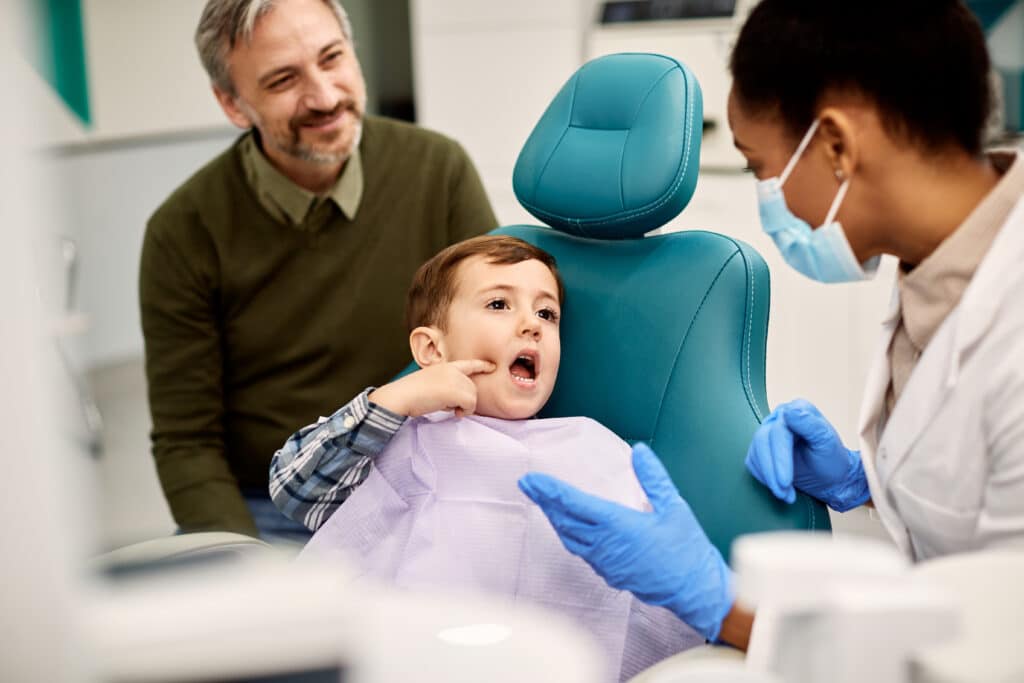
It’s never too early to start teaching kids about oral health. One of the most common questions parents have is how to explain cavities to kids. A cavity is a hole that forms in your tooth when bacteria eat away at the enamel. Cavities can be painful and can lead to other dental problems if they are not treated. In this blog post, we will provide a parent’s guide to helping kids understand cavities. We will also provide tips on how to prevent cavities from forming in the first place!
Helping Kids Understand Cavities: A Parent’s Guide
There are a few things that you will want to cover with your kids about cavities. First, it is important to explain what cavities are. Nemours easily explains cavities to children and answers a few common questions they may have in response:
What is a cavity?
A cavity develops when a tooth decays, or breaks down. A cavity is a hole that can grow bigger and deeper over time. Cavities are also called dental caries, and if you have a cavity, it’s important to get it repaired.
But why would a tooth develop a hole?
Blame plaque. That’s a sticky, slimy substance made up mostly of the germs that cause tooth decay. The bacteria in your mouth make acids and when plaque clings to your teeth, the acids can eat away at the outermost layer of the tooth, called the enamel. If you don’t go to the dentist, the acids can continue to make their way through the enamel, and the inside parts of your tooth can begin to decay. If you’ve ever had a toothache or heard an adult complain about one, it may have been because there was a cavity that reached all the way inside a tooth, where the nerve endings are. Ouch!
How does a dentist know if I have a cavity?
Your dentist will carefully examine your teeth and may take X-rays. If your dentist discovers a cavity, he or she can repair it for you by first removing the rotted part of your tooth with a special drill. The dentist then fills the hole in your tooth with a special material. The result is called a filling.
Does it hurt?
Sometimes it does, but your dentist can give you an anesthetic. That’s a kind of medicine that will numb the area around the problem tooth while you’re getting your new filling.
Cavity Prevention
There are a few things that you can do to help your child prevent cavities. First, you will want to make sure that your kids brush their teeth twice a day and floss once a day. You will also want to make sure that they are getting regular dental checkups. In addition, you can help prevent cavities by:
- Encouraging your kids to eat foods that are high in fiber and low in sugar.
- Limiting between-meal snacks.
- Using toothpaste that contains fluoride.
- Having sealants placed on your child’s teeth. Sealants are a thin coating that is applied to the chewing surfaces of the back teeth. Sealants can help protect against cavities.
Signs of Cavities in Children
There are a few signs that you can look for that may indicate that your child has a cavity. These signs include:
- Tooth pain or sensitivity to hot, cold, or sweet foods.
- Visible pits or holes in the teeth.
- Staining on the teeth.
- Bad breath.
In small children, also look for the following signs:
- Trouble eating. Tooth pain may make simple snacks and meals unpleasant experiences. After a while, your child may simply choose to stop eating some foods to avoid discomfort.
- Trouble with weight gain or vitamin deficiencies. If your toddler has trouble eating a balanced diet, they may also have trouble gaining weight or getting the right balance of vitamins and minerals.
- Fussiness. Younger toddlers may not have the language to share what’s wrong. Instead, they may cry or be cranky. Your toddler may also tug at their ear when they’re in pain.
- Fever with no other symptoms of illness. A fever may be a sign that there is an infection in the tooth.
- Sleep problems. Tooth pain can make it hard to get comfortable enough to fall asleep or stay asleep. If your child seems more tired than usual or has trouble sleeping, it may be due to tooth pain.
What to Do If You Think Your Child Has a Cavity
If you think that your child has a cavity, the best thing to do is to make an appointment with your dentist. Only a dentist can tell for sure if your child has a cavity. At Li’l Sunshine Smiles, we specialize in pediatric dental care. We understand that children can be nervous about going to the dentist. We work hard to make sure that your child is comfortable and relaxed during their appointment. We offer a wide range of services, including cavity prevention, dental sealants, fluoride treatments, fillings, and more. We also offer sedation options for children who may be particularly anxious. If you think that your child has a cavity, contact us today to schedule an appointment!