
Keep Your Toddler’s Teeth Healthy: The Benefits and Hazards of Sippy Cups

Toddler Tooth Care
June 30, 2023
How Early Childhood Dental Health Impacts Your Teeth in Adulthood
July 13, 2023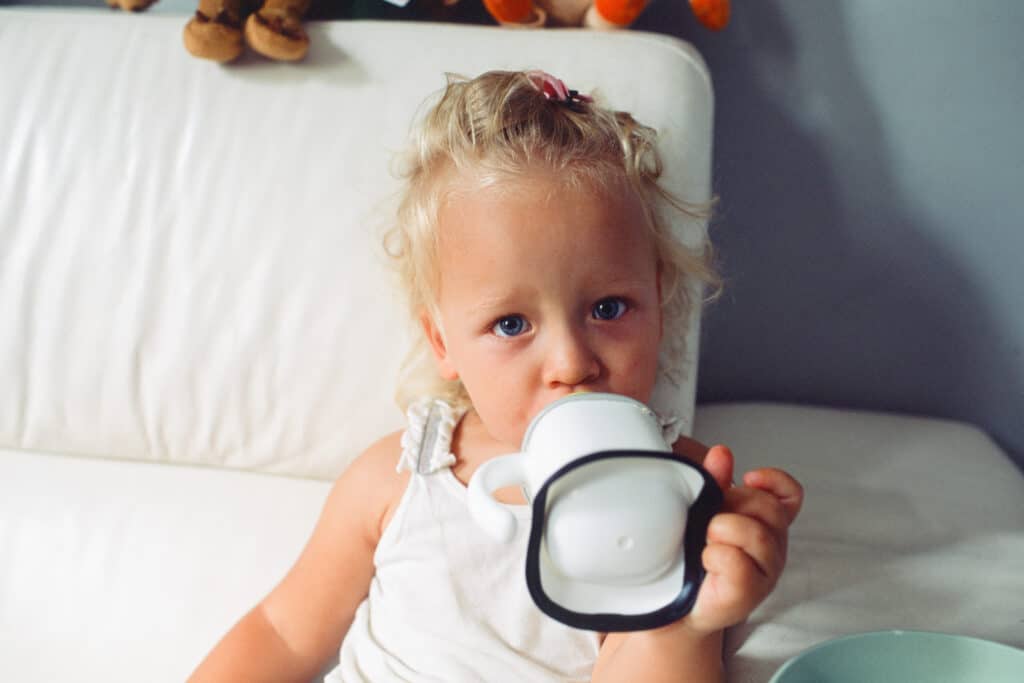
When it comes to keeping your toddler’s teeth healthy, one of the most commonly overlooked aspects is the role that sippy cups can play. While these vessels may offer convenience and spill-proof options for parents, they can also have a drastic effect on your little one’s dental health. In this blog post, we will explore how sippy cups can impact your toddler’s dental health – both positively and negatively – as well as recommend ways to ensure your child has a strong smile. So come along with us as we unravel the mysteries of how sippy cups affect toddlers’ dental health!
The Benefits and Hazards of Sippy Cups
One of the primary benefits of sippy cups is that they can help keep young children from spilling their drinks. This is particularly helpful for those toddlers who tend to be extra clumsy or easily distracted. It gives parents peace of mind that their child will not make too much of a mess. Additionally, sippy cups are also an excellent option for those children who are learning to drink from a cup. They can provide the perfect transition between drinking from a bottle and drinking from an open cup.
However, sippy cups can also present some potential hazards for toddlers when it comes to their dental health. Due to their leak-proof design, sippy cups can allow liquid to pool in the mouth for extended periods of time. This can lead to an increased risk of cavities, or what is known as “baby bottle mouth.” Additionally, because children often use sippy cups throughout the day and night, it can increase their exposure to sugary drinks which can also contribute to dental decay.
Tips for Keeping Your Toddler’s Teeth Healthy with Sippy Cups
The good news is, there are a few simple steps you can take to make sure that your toddler’s teeth stay strong and healthy with the help of sippy cups. Firstly, limit the time your child spends drinking from a sippy cup each day – aim for no more than 30 minutes at a time. Secondly, avoid sugary drinks in their sippy cup and opt for water instead. Finally, always offer your child a toothbrush after they finish their drink, and make sure they brush their teeth regularly throughout the day. Following these simple tips will help keep your toddler’s smile bright and healthy!
Baby Bottle Tooth Decay
Baby Bottle Tooth Decay most often occurs in the upper front teeth, but other teeth may also be affected.
There are many factors which can cause tooth decay. One common cause is the frequent, prolonged exposure of the baby’s teeth to drinks that contain sugar. Tooth decay can occur when the baby is put to bed with a bottle. Or, even when a bottle is used as a pacifier for a fussy baby.
Tooth decay is a disease that can begin with cavity-causing bacteria being passed from primary caregiver to the infant. These bacteria are passed through the saliva. When the mother puts the baby’s feeding spoon in her mouth, or cleans a pacifier in her mouth, the bacteria can be passed to the baby.
If your infant or toddler does not receive an adequate amount of fluoride, they may also have an increased risk for tooth decay. The good news is that decay is preventable.
Caring for Your Toddler’s Teeth
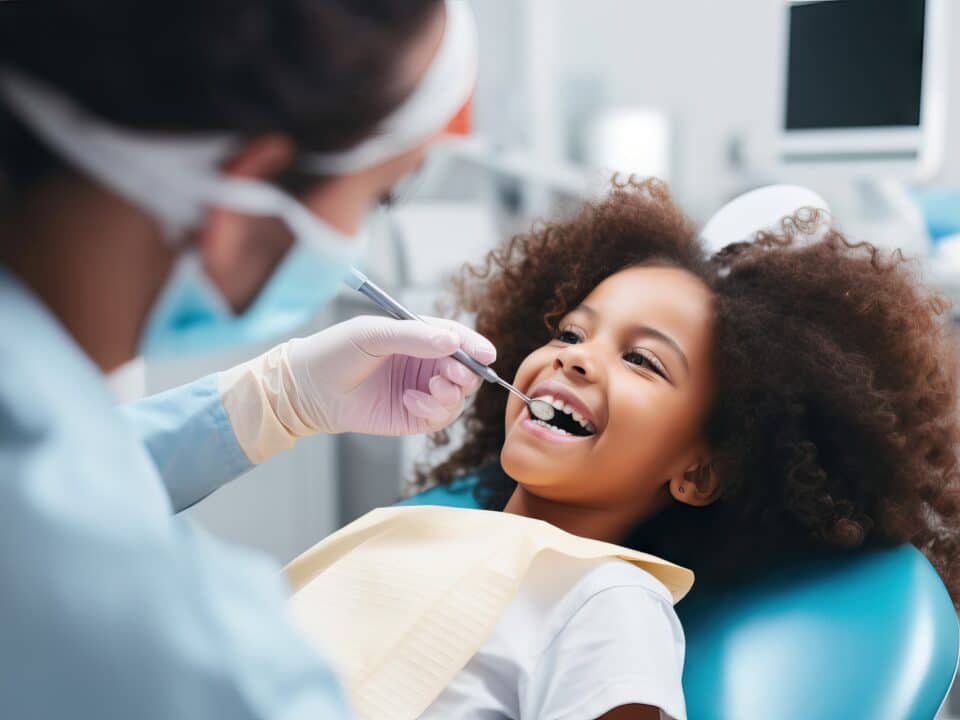
Good oral hygiene habits should be established as soon as your toddler has teeth. Teach them to brush their teeth twice a day with a pea-sized amount of toothpaste, and floss once daily. Encourage healthy eating habits. Further, avoid sugary snacks and drinks that can put your little one at an increased risk for cavities. Regular visits to the dentist are also necessary, as they can identify potential issues and recommend preventative measures.
By following the tips outlined above, you can help ensure that your toddler’s teeth stay healthy. Even when sippy cups are involved!
Make an Appointment with Li’l Sunshine Smiles
At Li’l Sunshine Smiles, we’re proud to offer comprehensive dental care for toddlers and children. Our experienced team is dedicated to providing our young patients with the best possible care. We understand that visiting the dentist can be a difficult experience for some children, which is why we strive to create a calming and inviting atmosphere where they feel comfortable and at ease. If you’d like to learn more about our services or schedule an appointment, please don’t hesitate to contact us today.