
How Better Oral Hygiene Can Help Protect Your Home

What Should I Do if My Child Has a Toothache?
July 23, 2020
How to Care for Your Mouth When You Are Sick
July 31, 2020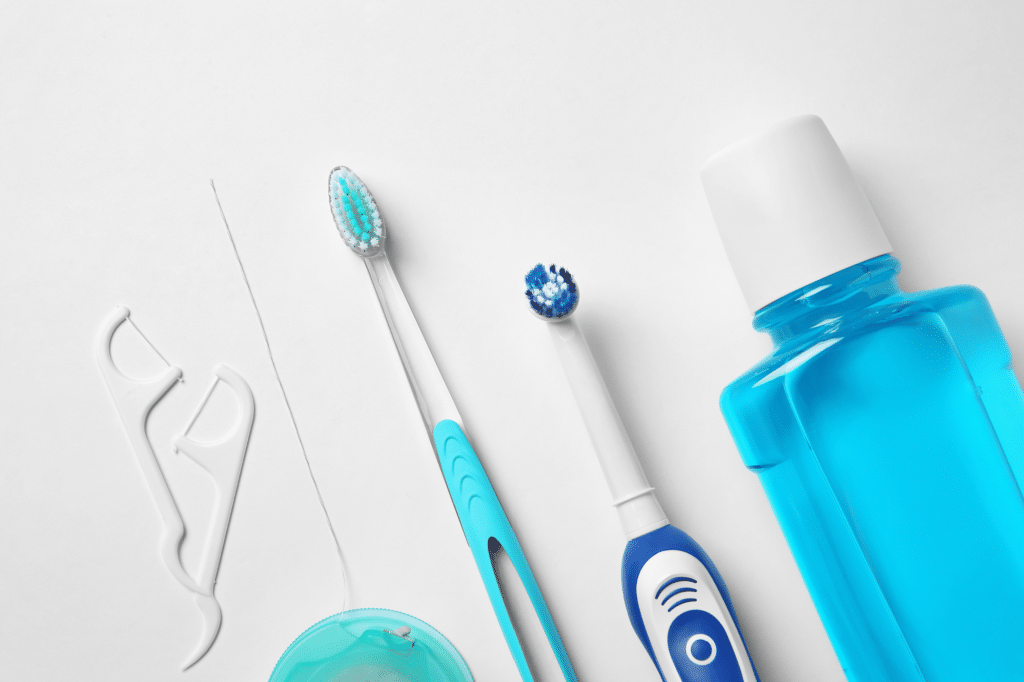
The busyness of life can push good oral hygiene out of the forefront of your mind. But, neglecting your mouth could lead to a painful cavity. Taking extra precautions with your oral health can help you avoid more serious oral problems. According to the Oral Health Foundation, the following recommendations are essential for safeguarding your health:
Don’t share toothbrushes.
This may seem like an obvious statement, but many don’t understand why this principle is so important. The fact is, because the gums sometimes bleed when we brush, sharing toothbrushes exposes the users to bloodstream diseases, according to Dr Ben Atkins, Dentist and Trustee of the Oral Health Foundation We aren’t just talking about saliva here. And, we are also talking about thousands of different strains of bacteria that live in the mouth. Different people have different kinds of mouth bacteria. This isn’t something you should be swapping around.
“There are many hundreds of different bacteria and viruses in our mouths and people sharing a toothbrush could be passing these on to others. While this might be something relatively harmless, such as a common cold or cold sore, if the person you are sharing with is infected with hepatitis B or HIV these could also be passed on via the toothbrush, with severe health consequences,” Dr. Atkins said.
Regularly replace your toothbrush.
The American Dental Association has straightforward guidance on when to replace your toothbrush. Toothbrushes should be replaced every three to four months or more often if bristles are frayed or visibly matted.
The reasons for swapping out toothbrushes is because once the bristles are no longer effective, they are no longer eliminating the plaque and bacteria as effectively as they should. This opens the door for tooth decay and gum disease regardless of your frequency of toothbrushing.
Toothbrushes should also be replaced if they accidentally fall in a toilet bowl or if you have a sickness. You could reinfect yourself if you use the same toothbrush following illness. Don’t take the chance, get a new brush.
Take Proper Care of Your Toothbrush.
Although the lifespan of a toothbrush is short, it is important to care for it as you should to avoid illness. The ADA recommends rinsing it with water after each use. You don’t need to disinfect it; disinfecting hasn’t proven effective, says the Centers for Disease Control and Prevention.
Don’t leave toothbrushes out near toilets.
Don’t store a toothbrush near the toilet to avoid it getting exposed to toilet plume. “Toilet plume is the aerosolized cloud of microscopic particles, including urine and feces, that sprays into the air and onto surrounding surfaces when you flush the toilet,” says SELF. A good way to help the spread of toilet plume is to make sure you always close the toilet lid when you flush the toilet.
Choose a location that is away from your toilet, but where your toothbrush can dry out between uses in an open-air environment.
Clean your bathroom regularly using a bleach-based cleaning product.
Bathrooms often store our toothbrushes, towels, and other intimate items. Since it is the place we go to get clean, it is important that we keep it clean. Regularly use a bleach-based cleaning product to clean your bathroom. This will help you and your household avoid harmful bacteria and viruses that could be lurking around.
Practice key daily hygiene habits.
Make oral health a priority in your household. A commitment to high oral care standards will go a long way. Remember the basics: 1) Brush daily with a fluoride toothpaste, twice a day; 2) floss at least once a day; 3) reach for water and skip the soda; 4) incorporate mouthwash to help rid your mouth of bacteria; and 5) call and schedule regular dental cleanings and exams with Dr. Cat.