
Why Your Child Should be Seeing a Pediatric Dentist

How Space Maintainers Could Help Your Child
April 11, 2024
Navigating Thumbsucking in Children’s Dental Health
April 25, 2024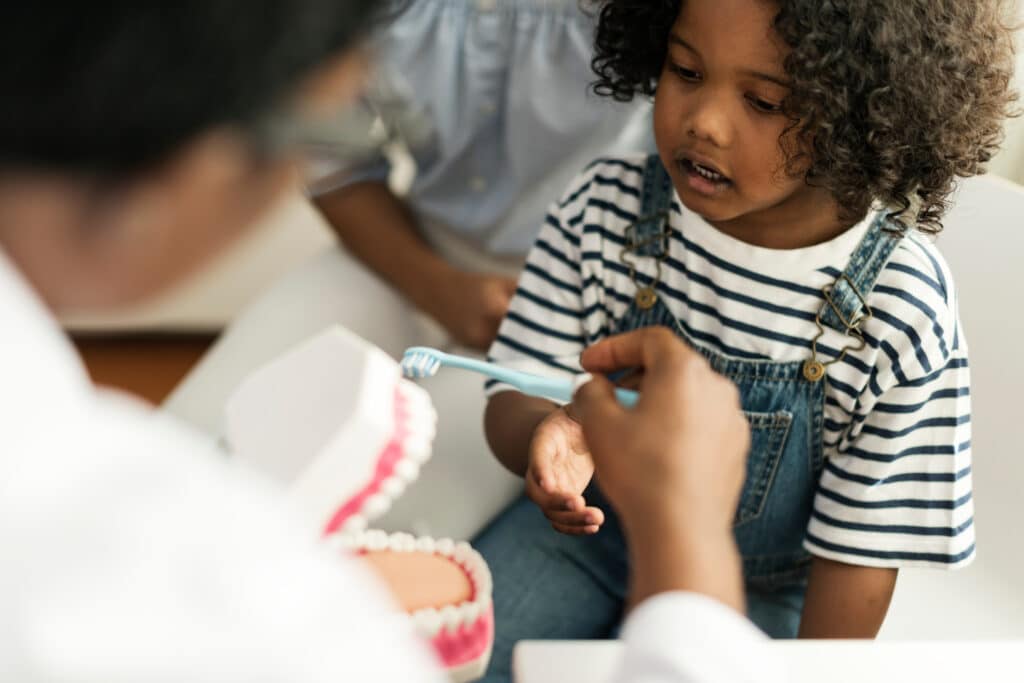
Taking care of your child’s oral health from an early age is crucial for their overall well-being. Parents often wonder about the need for specialized dental care in their child’s formative years. However, the expertise of a pediatric dentist is invaluable in ensuring a lifetime of healthy smiles. This article will explore the reasons why pediatric dentists play a significant role in dental care for children, how they differ from general dentists, and what you should expect when you visit one.
The Role of Pediatric Dentists in Child Health
Pediatric dentists, also known as pedodontists, specialize in providing dental care for infants, children, and teenagers. They undergo additional training beyond dental school, focusing on the unique dental needs of children, including those with special health care needs. A pediatric dentist’s primary goal is to prevent oral health issues before they develop, a mission that aligns perfectly with the adage, “prevention is better than cure.”
Dental Health Education
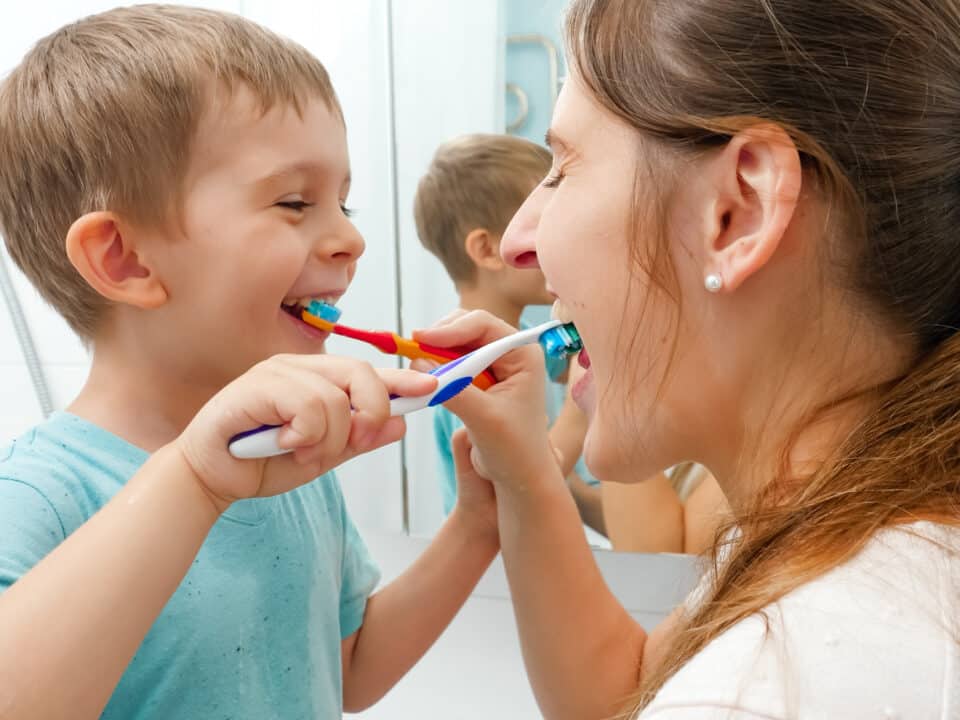
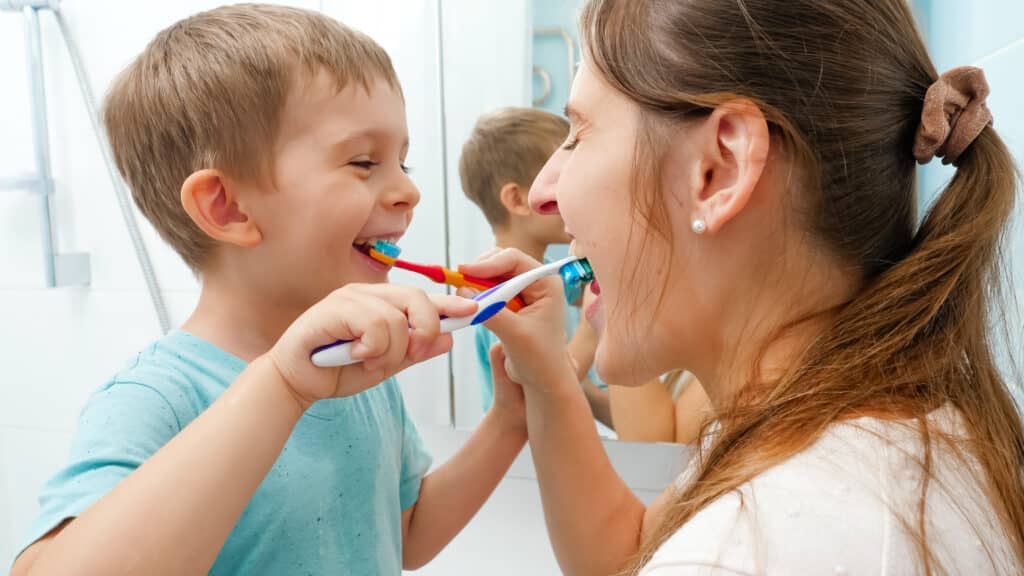
Pediatric dentists excel in patient communication, especially when it comes to teaching children about oral hygiene through interactive and educational methods. They often utilize child-friendly language and explanations, making it easier for young ones to understand the importance of brushing, flossing, and maintaining a healthy diet. This educative approach sets the foundation for a child’s understanding and long-term oral health habits.
Check-Ups and Prevention
Regular visits to a pediatric dentist are essential for monitoring the development of your child’s teeth and addressing any potential issues promptly. This proactive approach can prevent issues that may lead to pain, infections, and other complications, ensuring that your child’s teeth stay healthy and free from decay.
Early Intervention and Specialized Care
Pediatric dentists are skilled in identifying early signs of issues such as misaligned teeth, decay, and gum disease. Early intervention can often lead to less invasive treatments, correcting problems before they become more severe. What’s more, pediatric dentists offer specialized care catered to each stage of a child’s dental development. From the eruption of the first tooth to the loss of baby teeth and the growth of permanent ones, they take a holistic approach geared towards the child’s specific needs at each milestone.
The Pediatric vs. General Dentist Debate
Understanding the differences between pediatric and general dentists is important for parents when deciding who should care for their child’s oral health. While both specialists focus on maintaining good oral health, their approaches and areas of expertise do vary significantly.
Training and Experience
Pediatric dentists must complete an additional two to three years of specialized training after dental school, focusing exclusively on pediatric dental health. General dentists, on the other hand, receive a broad range of training that encompasses all age groups.
Office Environment and Atmosphere
Pediatric dental offices are designed with children in mind, aiming to create a warm, welcoming, and non-threatening environment. They often feature child-friendly decorations, toys, and even play areas. This setting helps alleviate a child’s anxiety about visiting the dentist, making the experience more positive, and can help ease the fear and apprehension that many children associate with dental visits.
Behavioral Management Techniques
Pediatric dentists are skilled in employing various behavior management techniques to guide children through dental procedures. These methods include positive reinforcement, distraction with toys or TV, and using the Tell-Show-Do technique to gradually familiarize the child with the dental instruments used in their treatment.
What to Expect at Your Child’s Pediatric Dental Visit
The first visit to a pediatric dentist should occur by your child’s first birthday or within six months after their first tooth has erupted. Here’s what you can expect from this initial and subsequent visits:
First Visit
The first dental visit is often more of an introductory session designed to acclimate your child to the dentist’s environment. It’s an opportunity for the pediatric dentist to meet your child, conduct a quick examination of their oral health, and provide guidance on proper oral hygiene practices. This visit is also critical in establishing trust and rapport with the dentist.
Subsequent Visits
Routine visits to the pediatric dentist will typically involve a comprehensive examination of your child’s oral health. This including a gentle cleaning, fluoride treatment, and any necessary X-rays. The dentist will discuss with you and your child’s individualized oral health plan and address any concerns you may have.
Emergencies and Procedures
In the event of a dental emergency, such as a toothache or knocked-out tooth, you should contact your child’s pediatric dentist immediately. Pediatric dentists are equipped to handle dental emergencies and can provide the necessary care with a focus on minimizing discomfort and maintaining oral health.
Keeping the Pediatric Dentist Experience Positive
Maintaining a positive perception of the dentist’s office can have a lasting impact on your child’s attitude towards oral health. Here are a few tips to ensure a positive experience:
Choose the Right Dentist
Select a pediatric dentist who is not only experienced and skilled but also compassionate and good with children. The personal connection and the dentist’s demeanor can make a significant difference in your child’s comfort level.
Discuss the Visit Beforehand
Talk to your child about their upcoming dentist appointment, explaining what will happen and the importance of the visit. Open communication can help alleviate fear and reduce any surprises during the visit.
Positive Reinforcement
Offer praise and encouragement before and after the visit. Small rewards can also be effective in reinforcing the idea that dental visits are to be celebrated, not feared.
Make an Appointment with Li’l Sunshine Smiles
Seeing a pediatric dentist is an important step in safeguarding the dental health of your child. At Li’l Sunshine Smiles, our team is dedicated to providing high-quality dental care in a safe, warm, and welcoming environment. Contact us today to schedule an appointment for your child’s next dental visit! Together, we can help set the foundation for a lifetime of healthy smiles.