
What is the Main Goal of Pediatric Dentistry?

The Steps to Take if Your Child Has a Dental Emergency
March 30, 2022
Dentist-Approved Tips to Help Break the Thumb Sucking Habit
April 21, 2022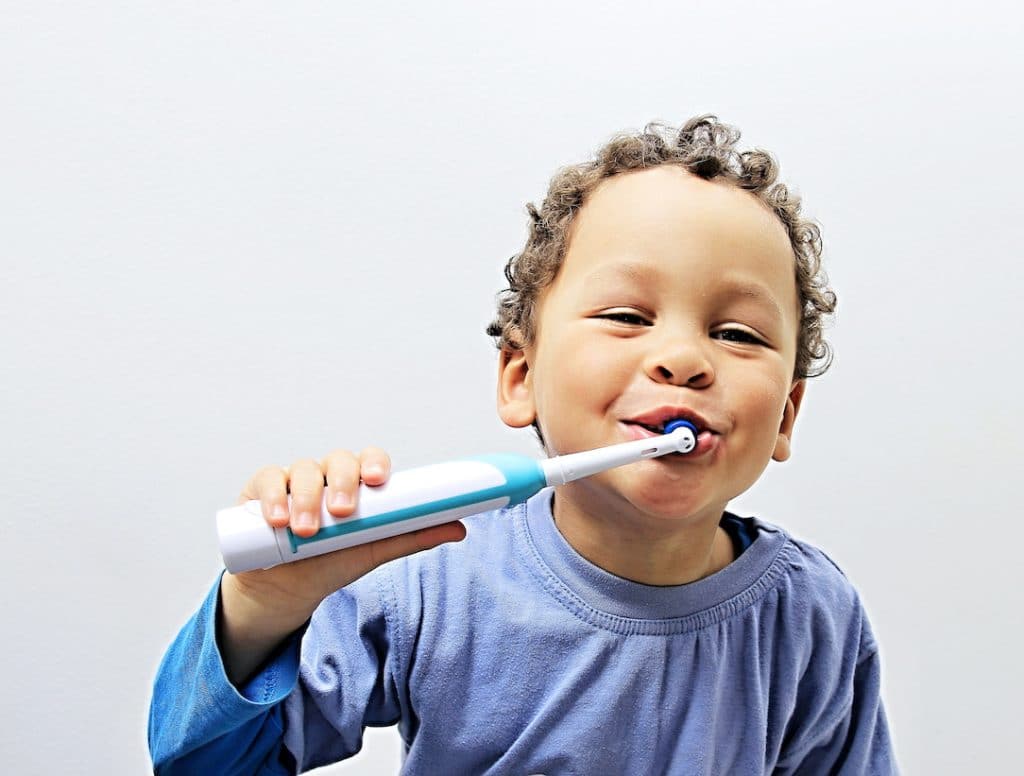
Pediatric dentistry is a branch of dentistry that specializes in the care and treatment of children from infancy through their teenage years. The main goal of pediatric dentistry is to help maintain the oral health of children as they grow into adults. This involves providing preventive dental care, identifying and treating oral diseases and conditions, and helping kids develop good oral hygiene habits. In this article, we’ll discuss just what you can expect from a pediatric dentist and how they can help set your children up for a lifetime of healthy smiles.
What is Pediatric Dentistry?
This branch of dentistry focuses on the care and treatment of children from infancy to adolescence. Pediatric dentists undergo special training to ensure they are qualified to work with kids of all ages. They understand the unique needs of young patients and are equipped to handle everything from teething babies to teenagers with braces.
The main goal of pediatric dentistry is to help kids maintain good oral health throughout their lives. This involves providing preventive care, identifying and treating oral diseases and conditions, and helping kids develop good oral hygiene habits. Pediatric dentists work hard to make sure your child’s teeth are healthy and strong so they can last a lifetime.
Why Children Should be Visiting the Dentist
It’s important for children to visit the dentist regularly so that any problems with their teeth and gums can be identified and treated early. Pediatric dentists are specially trained to spot potential problems and provide the necessary treatment to prevent them from becoming more serious.
In addition to identifying and treating oral health problems, pediatric dentists also provide preventive care. They can help kids develop good oral hygiene habits that will last a lifetime. This includes teaching them how to brush and floss properly, as well as what foods to eat (and avoid) for optimal dental health.
What Can Parents Expect From a Pediatric Dentist?
When you take your child to see a pediatric dentist, you can expect them to be treated with compassion and understanding. Pediatric dentists are experts in working with kids, and they will make sure your child is comfortable and relaxed during their appointment.
During your child’s appointment, the pediatric dentist will take a thorough medical and dental history. They will then examine your child’s mouth, teeth, and gums. If necessary, they may take X-rays or dental impressions.
Based on the findings of the examination, the pediatric dentist will develop a treatment plan. This may include dental cleanings, sealants, fluoride treatments, fillings, crowns, or other necessary treatments. The pediatric dentist will also provide you with instructions on how to care for your child’s teeth at home.
Common Childhood Dental Problems
There are a number of common dental problems that can affect children. These include cavities, tooth decay, gum disease, and malocclusion (crooked teeth).
Cavities
Cavities are one of the most common childhood dental problems. They occur when plaque and tartar build up on the teeth and cause the enamel to break down. Cavities can be painful and, if left untreated, can lead to more serious problems.
Tooth Decay
Tooth decay is another common childhood dental problem. It occurs when plaque and tartar build up on the teeth and cause the enamel to break down. Tooth decay can be painful and, if left untreated, can lead to more serious problems.
Gum Disease
Gum disease is an infection of the gums that can cause redness, swelling, and pain. If left untreated, gum disease can lead to more serious problems.
Malocclusion
Malocclusion is a condition in which the teeth are not properly aligned. It can be caused by genetics, thumb sucking, or other habits. If left untreated, malocclusion can lead to more serious problems.
Preventing Childhood Dental Problems
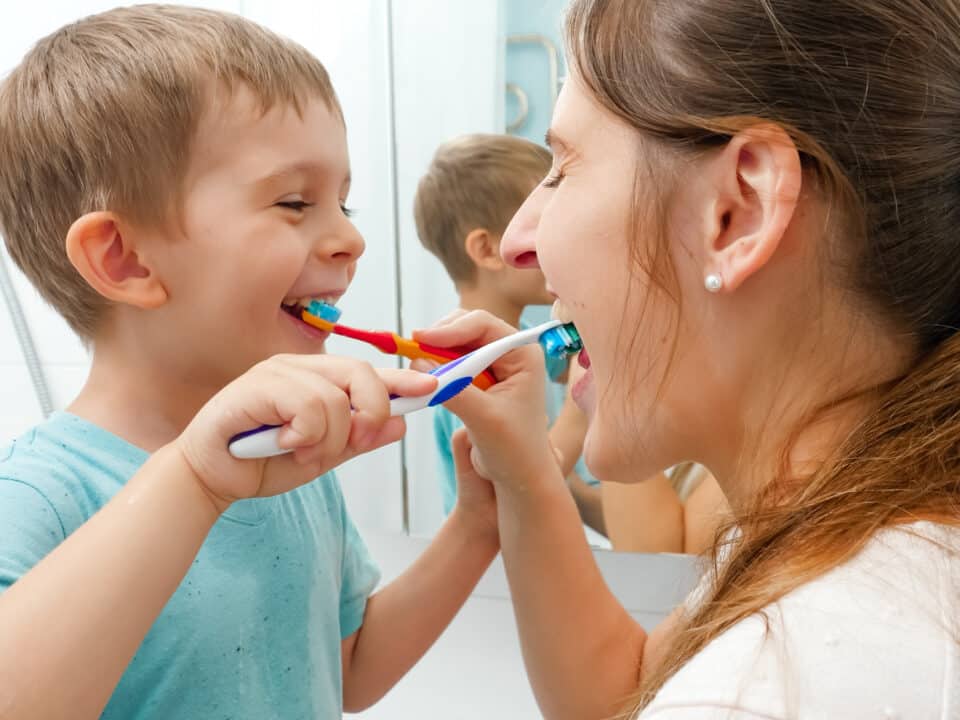
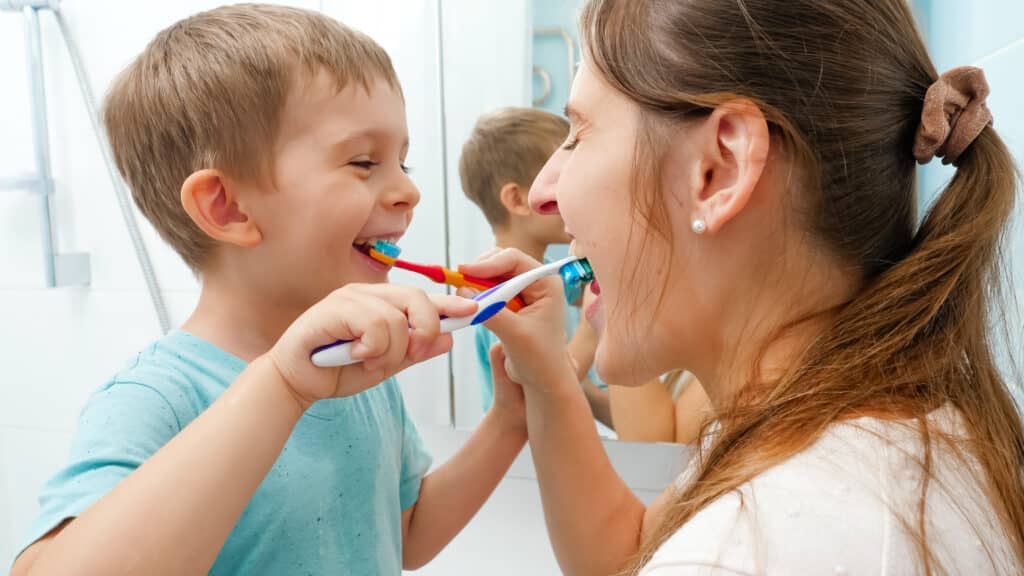
The best way to prevent childhood dental problems is to practice good dental hygiene. Dental hygiene should begin when your child is a baby. The American Academy of Family Physicians explains to start using a soft child-size toothbrush around the age of 1 or 2. You should brush your child’s teeth with water at least twice a day. You also can add a small dab of toothpaste that doesn’t have fluoride in it. This type of toothpaste is safe for your child to swallow. Once your child is old enough to spit out the toothpaste, you can switch to one that has fluoride. Only use a small amount. Teach your child to spread it among their teeth, gums, and tongue. Have your doctor or dentist show you the right way to brush your child’s teeth.
Visit Li’l Sunshine Smiles
If you would like more information on pediatric dentistry, please contact our office. We would be happy to answer any of your questions and help set your child up for a lifetime of healthy smiles.