
Happiness and Oral Health
Back-to-School Dental Exams – It’s Smile Time!
August 16, 2021Make These Five Diet Changes and See Your Children’s Oral Health Improve!
August 26, 2021
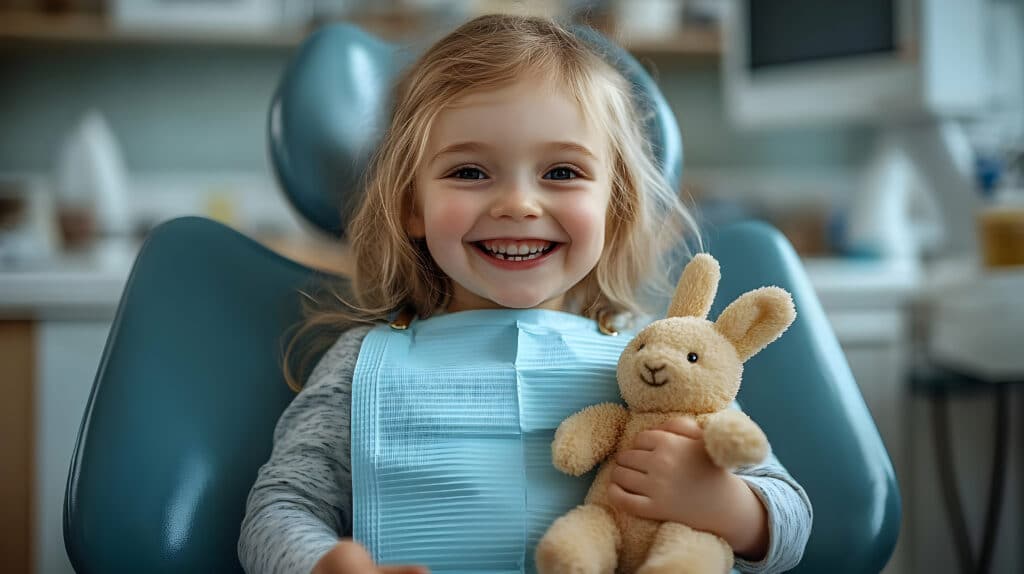
August is “Happiness Happens Month” and that includes all a healthy smile does for your overall wellness. Learn how oral health contributes to your child’s daily happiness.
Gum Health and Overall Wellness
According to research from Harvard Health, the health of your child’s gums can be directly linked to their risk for chronic diseases. Inflammation caused by gum bacteria is an element in several chronic diseases (cardiovascular disease, chronic respiratory disease, dementia, and diabetes).
Healthy gums lead to happiness because your body is free of gum-related inflammation, bad breath associated with gum disease, and prevent pain that is common with inflamed gums, sensitive teeth, and tooth loss.
Healthy Smiles and Self Esteem
Keeping smiles free of tooth decay and preventing tooth loss are all efforts towards keeping smiles healthy and bodies as well. These efforts affect how your child interacts with others, the appearance of her smile, her ability to pronounce words properly, and her ability to chew food. All these factors contribute to healthy self-esteem and healthy well-being. They lead to happiness.
Healthy Smiles are Shared More
When we feel good about our smiles, we share them more. The act of smiling more yields more happiness. Smiling causes a chemical reaction in the brain, triggering the release of hormones like dopamine and serotonin. Dopamine is known to increase our feelings of happiness.
Kids that feel confident about their smiles interact with more confidence with others, both in their youth and on to adulthood. Job interviews, presentations, interactions with peers are all benefited from confident smiles.
When we don’t feel self-conscious about our smiles, we act more like our true selves. This ability to be we supports healthy development and interactions with others.
Tips for a Healthy Smile
Make a goal this year for healthier, whiter smiles. The following tips can help support you in your goals for healthier smiles and happier lives:
- Brush your teeth correctly each day with the right kind of toothbrush and toothpaste.
- Limit your sweets and snacking.
- Schedule regular dental exams with Dr. Botero.
Prevent Early Childhood Tooth Decay
Early childhood tooth decay is a condition that affects far too many preschool-aged children (birth and 6 years). The condition describes having one or more decayed, missing, or filled tooth surfaces in any primary tooth. According to the National Institute of Dental and Craniofacial Research, 42% of children 2 to 11 have had dental cavities in their primary (baby) teeth.
Early childhood tooth decay causes children oral pain and infections that can make eating more difficult, complicate proper speaking, and affect normal playing and learning.
The Advantages of a Healthy Smile
Smiles magnify your child’s confidence, improve social lives, support positive interactions and (future) careers. A healthy smile can renew a physical appearance in startling ways. Healthy smiles feed healthy mind-sets, while affecting overall health as well. Research shows that oral health can influence heart disease, dementia, stroke, diabetes, Alzheimer’s, and cancer.
Good oral health is something that involves your hard work, and the hard work of a professional dental team. A visit to your Li’l Sunshine Smiles dental home can teach you about treatments to preserve your child’s bright, white smile. Call to schedule an appointment at 813-576-0200.