
How to Prepare for Your Child’s First Dental Visit

Are Dental X-Rays Safe?
January 28, 2020When to Start Using Fluoride Toothpaste for Your Child’s Teeth
April 8, 2020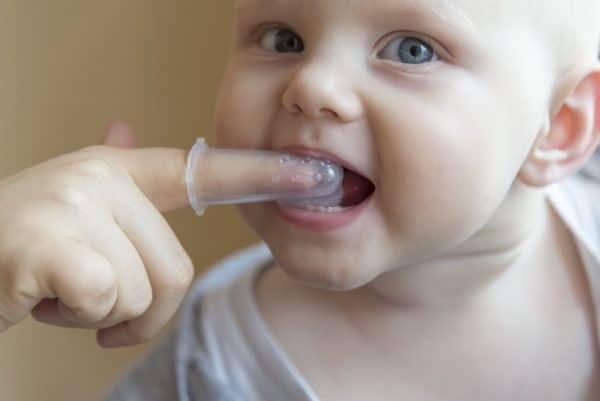
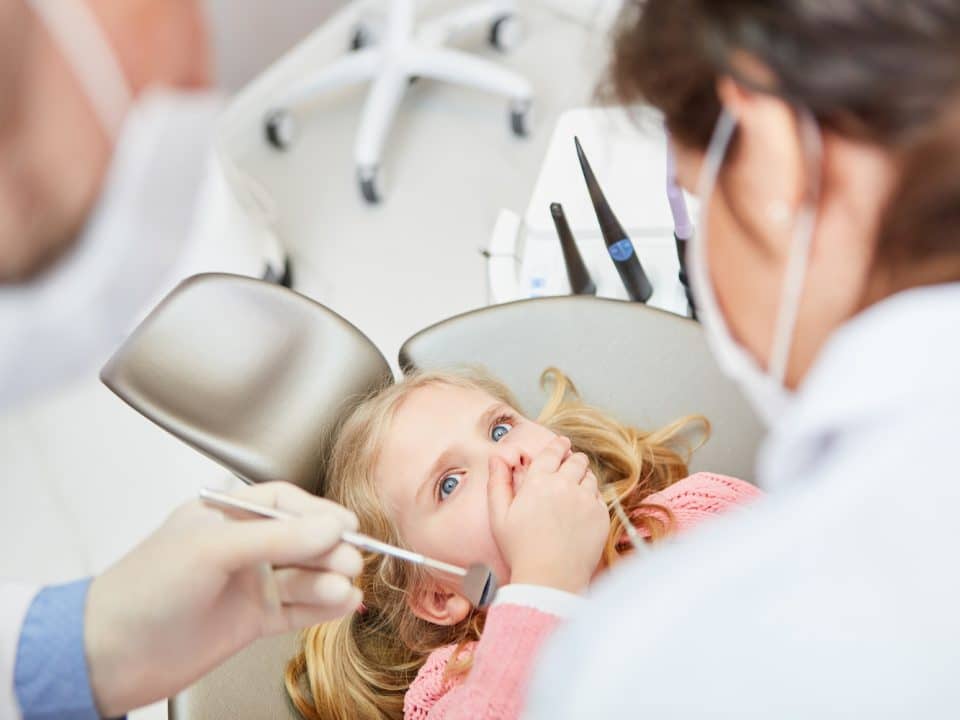
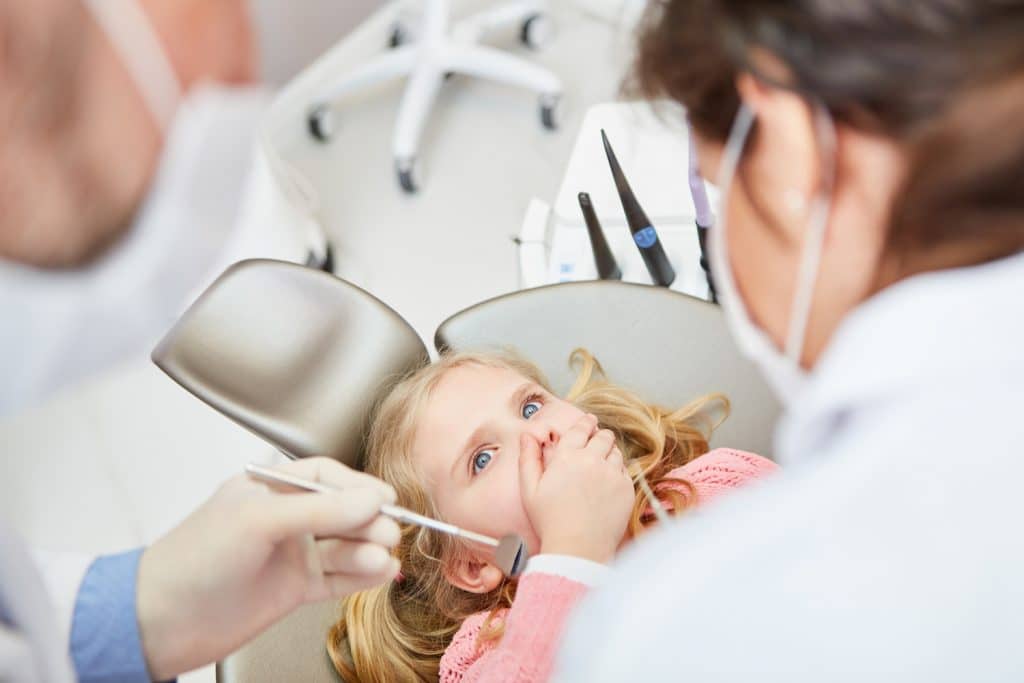
Prepare yourself and your child for the first dental visit by educating yourself on the subjects below. Above all, discuss your concerns and questions with Dr. Cat to discuss any dental anxieties that can be addressed before the appointment. The calmer parents can be, the calmer the child can be. Children are very good at picking up on stress in a parent.
Offer Your Dentist a Complete Health History
Giving Dr. Cat and our Li’l Sunshine Smiles Dentistry a complete health history is of paramount importance. Certain medications or health conditions can cause side effects to oral health and structures.
It can also be helpful to tell our team if you have witnessed certain (normal) behaviors such as: stubborness, defiance, anxiousness, or fear in other medical visits with doctors. This information can help our team be prepared to help in a positive, productive way. Rest assured, Dr. Cat has 11 years of experience working with children and is expert at putting them at ease.
When Should I Take My Child to the Dentist for the First Time?
The American Academy of Pediatric Dentistry (AAPD) recommends that parents schedule their child’s first dental visit when the first tooth appears, or no later than his/her first birthday.
Following these guidelines can save your child from tooth decay and its subsequent problems. Early dental care also sets the stage for a lifetime of better oral wellness.
What Should I Expect at the First Dental Visit?
The first dental visit the first dental visit often lasts 30 to 45 minutes. Dr. Cat uses this time to educate parents on the following topics: 1) Baby bottle tooth decay; 2) Infant feeding practices; 3) Mouth cleaning; 4) Teething; 5) Pacifier habits; and 6) Finger-sucking habits.
In addition to patient/parent education, the visit will typically include a full exam of the teeth, jaws, bite, gums, and oral tissues to check growth and development. Then, your child’s teeth may have a gentle cleaning. Cleanings include a polishing of the teeth and the removal of any plaque, tartar, or stains.
Your child may have dental x-rays taken at this visit. Dental x-rays are a safe, diagnostic tool the dentist uses to assess tooth formation and possible decay beneath the gumline.
Why are Baby Teeth Important?
Caring for baby teeth is essential because they perform critical functions. Baby teeth promote good nutrition by allowing for proper chewing. They also aid in speech development. Furthermore, they act as spaceholders, guiding the permanent teeth into their proper position.
If your child loses baby teeth early, don’t hesitate to call our office. Space maintainers are sometimes used to serve the function a baby tooth does until the permanent tooth comes in.
Oral Care for Children During Their First Year
Parents should clean infant mouths and gums regularly with a soft infant toothbrush or cloth and water. Talk to Dr. Cat about a fluoride supplement after your child is six months old if your drinking water doesn’t have fluoride.
Strive to wean your child from a bottle by 12-14 months or when the first tooth appears. Use a tiny smear of fluoride toothpaste when brushing baby teeth (twice daily) as soon as they get their first tooth bud. After a child reaches 3 to 6 years of age, the amount should be increased to a pea-size dollop.
Baby Bottle Tooth Decay
One of the best ways you can protect your child during their first year is to follow responsible baby bottle guidelines. Baby bottle tooth decay is a real issue. According to the CDC, “We’re reaching epidemic proportions of a rapid form of tooth decay especially in younger children, often from disadvantaged backgrounds. We’re seeing increases in the rate of what we call early childhood caries (ECC) or what use to be called baby bottle tooth decay.”
In short, baby bottle tooth decay is most commonly found in infants and toddlers when they are put to sleep with a bottle. In addition, it can occur when children are put to sleep nursing, or simply walking around with a sippy cup. Moreover, often children’s teeth aren’t being cleaned as they should.
Parents can help reduce tooth decay by not offering children anything but water in a bottle when put to sleep. Also, take care to notice how long your child has the bottle. Typically, a child can empty a bottle in 5-6 minutes. After this time, the bottle should be removed.
Oversee the Tooth Brushing in Your Home with Children
Parents sometimes make the mistake of leaving their children to brush their teeth alone when they get older. However, don’t stop supervising too soon. As a matter of fact, parents should continue helping children brush their teeth until age 7 or 8. Continue to have your child observe how you brush your teeth. In addition, teach them a brushing pattern to follow so they don’t miss spots.
Consider Your Child’s Diet to Protect Tooth Health
Parents can influence the health of their children’s teeth by paying attention to what they offer their children to eat. That is to say, strive to limit the foods and treats that lead to tooth decay. Further, consider how often you offer your children hard or sticky candies, sweetened drinks, juices, and fruit leather. Anything that can stick to the teeth, will cause them to decay faster.
Parents that take the time to prepare for the first dental visit benefit from a more relaxed visit. Our office can help answer any questions that you may have before your appointment. Moreover, if you would like to schedule an office tour before your appointment, give us a call at: 813-576-0200 today.