
Is the Pacifier Affecting My Baby’s Dental Health?

Dentist-Approved Snacks for Kids When You’re on the Go
June 3, 2022
6 Ways to Help Your Child Overcome Dental Anxiety
June 16, 2022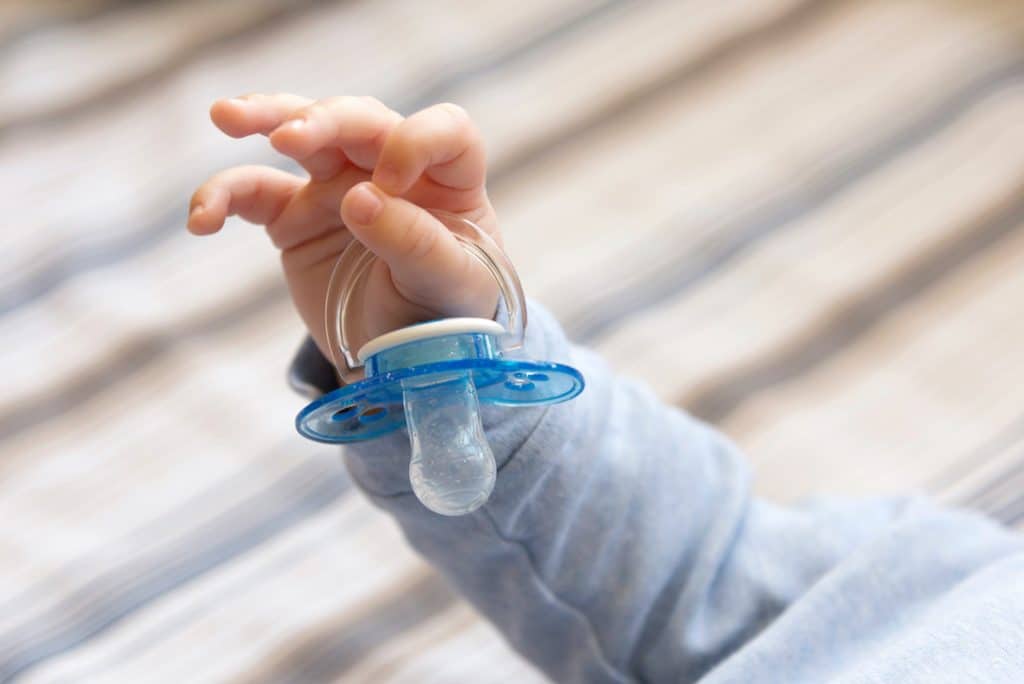
Do you ever wonder if the pacifier is affecting your baby’s dental health? There are a lot of myths out there about pacifiers and dental health, but we are here to set the record straight! In this blog post, we will discuss the effects of pacifiers on dental health and how to properly care for your child’s teeth.
Benefits of Pacifiers
Pacifiers can be a great way to soothe your baby and help them fall asleep. In fact, studies have shown that pacifier use can reduce the risk of Sudden Infant Death Syndrome (SIDS). However, long-term pacifier use can have a negative impact on your dental health.
Risks of Pacifiers
Excessive use of pacifiers can cause abnormal tooth development as well as other health problems. But the good news is that this is avoidable! It’s important to note that the intensity of sucking can heavily influence whether dental problems may occur. If babies passively place the pacifier or thumb in their mouth, they are less likely to develop problems with their baby teeth than infants who vigorously suck their thumbs or pacifiers. As a parent, it’s crucial to take note of how your child is using the pacifier.
It’s also essential to avoid pacifiers that aren’t one-piece or have removal parts or liquid interiors. Clean your baby’s pacifier regularly and never dip it in sweet liquids.
When Should Pacifier Use Stop?
Stopping pacifier use before 2 to 4 years is usually suggested. It’s believed that throwing out that paci before age 3 reduces your child’s risk of dental malocclusions. Weaning at 6 months can reduce your child’s chance of ear infection, according to one review of studies, but the SIDS risk reduction may continue through the first year, so families may want to continue offering the paci during that time.
How to Wean Off a Pacifier
There are a few ways you can help your baby wean off their pacifier:
- Offer a different form of comfort, such as a stuffed animal or blanket.
- Gradually reduce the amount of time your child uses the pacifier.
- Encourage your child to use the pacifier only in certain situations, such as bedtime or when they’re upset.
- Praise your child when they go without the pacifier.
Consequences of Not Weaning Off a Pacifier
If you don’t wean your child off their pacifier by age 3, they may develop malocclusions, which are teeth misalignments. The most common type of malocclusion is an overbite, which is when the upper teeth protrude past the lower teeth. Other types of malocclusions include open bites, crossbites, and underbites.
Malocclusions can lead to a number of problems, such as:
- Difficulty chewing or speaking
- Increased risk of cavities and gum disease
- TMJ disorders
- Pain in the jaw, face, and head
- Damage to the teeth
In severe cases, surgery may be necessary to correct the problem.
How to Prevent Dental Problems from Pacifier Use
There are a few things you can do to prevent dental problems from pacifier use:
- Limit pacifier use to nap time and bedtime.
- Avoid sweetened pacifiers.
- Clean the pacifier regularly with warm water and soap.
- Buy a one-piece, silicone pacifier.
- Replace the pacifier every few months.
- Monitor your child’s pacifier use and look for signs of dental problems, such as misaligned teeth. If you have any concerns about your child’s pacifier use, talk to your dentist or pediatrician.
Monitoring Your Child’s Dental Health
It’s important to monitor your child’s dental health, even if they’re not using a pacifier. Cavities are the most common chronic childhood disease, and they’re preventable! The best way to prevent cavities is by brushing twice a day with fluoride toothpaste and flossing daily. You should also take your child to the dentist for regular checkups and cleanings. Checkups should begin when your child has their first tooth come in, or when they have their first birthday.
Other tips to monitor your child’s dental health include:
- Limit sugary drinks and snacks.
- Encourage your child to brush their teeth for two minutes, twice a day. You should help them do this and supervise them until they’re 7 years old.
- Use fluoride toothpaste.
- Make sure your child is using the right size toothbrush.
- Floss your child’s teeth daily.
Make an Appointment with Li’l Sunshine Smiles Dentistry
If you have any concerns about your child’s dental health or pacifier use, make an appointment with Li’l Sunshine Smiles. We’ll be happy to answer any of your questions and help you ensure your child has a healthy smile from now until they reach adulthood. Contact us today!
