
Understanding Your Child’s Dental Growth in 2025: What to Expect

Why Regular Dental Visits Matter for Your Child’s Smile in 2025
January 2, 2025
Top 5 Ways to Prevent Baby Bottle Tooth Decay
January 15, 2025
As your child grows, so do their teeth—and understanding the milestones of their dental development is key to keeping their smile healthy. Whether your child is a toddler experiencing their first tooth eruption or a preteen about to lose their last baby tooth, each stage of their dental growth is important. In 2025, it’s crucial for parents to know what to expect as their child’s teeth and gums continue to develop, ensuring that they receive the right care at the right time.
At Li’l Sunshine Smiles Dentistry, we’re here to help guide you through your child’s dental growth journey. Let’s break down the key stages of dental development in 2025, from baby teeth to the transition to adult teeth.
1. The First Teeth: Baby Teeth Eruption (6 Months – 2 Years)
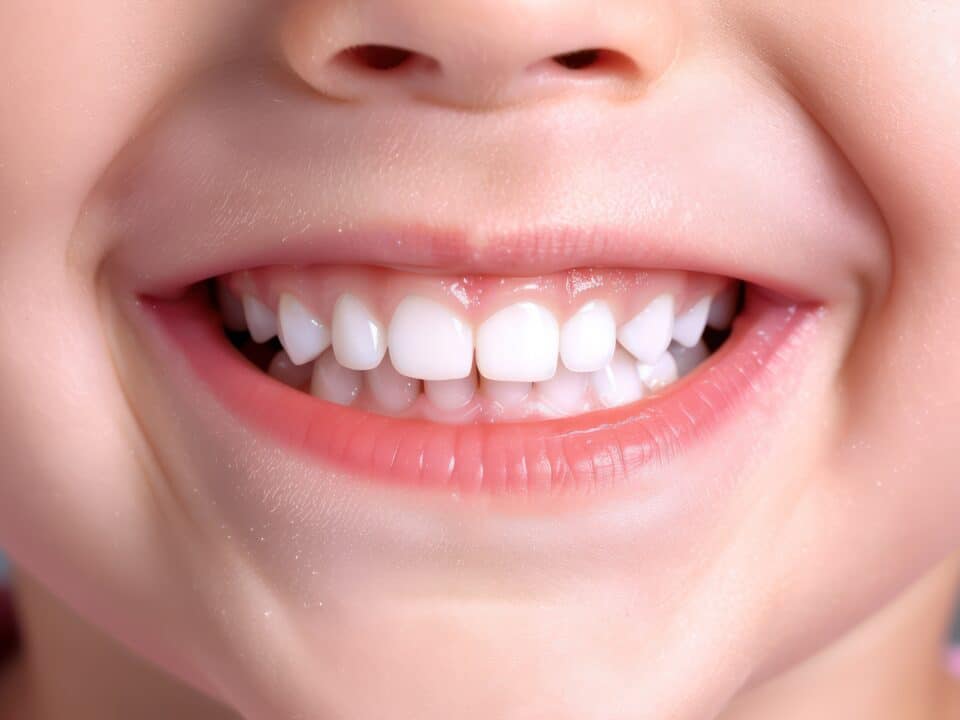
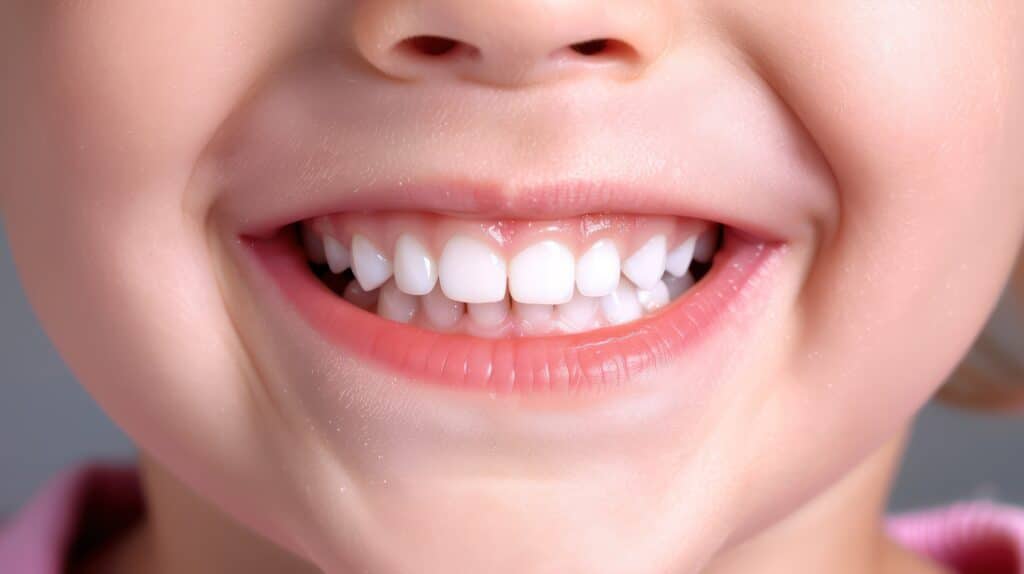
The journey begins with the eruption of your child’s first baby teeth, usually around 6 months of age. While some babies get their first tooth a little earlier or later, this stage marks the beginning of their dental health journey. By the time your child reaches their second birthday, they should have a full set of 20 baby teeth.
These teeth are essential for helping your child chew, speak, and develop proper alignment for their adult teeth. Baby teeth are also the foundation for their future dental health, so it’s important to start a good oral hygiene routine as soon as their first tooth appears. Gently cleaning your baby’s teeth with a soft toothbrush and water, and later introducing fluoride toothpaste, helps prevent early cavities.
2. Teething Troubles and Comfort Measures
Teething can be uncomfortable for little ones, so it’s normal for babies to experience irritability, drooling, or a desire to chew on things. During this time, it’s helpful to offer teething rings, chilled washcloths, or special teething toys to soothe sore gums. Keep in mind that teething doesn’t only affect the gums—it’s also a great time to introduce your child to the dentist, as early visits can help establish a positive relationship with dental care.
3. Losing Baby Teeth: The Transition to Adult Teeth (6-7 Years)
Around the age of 6 or 7, your child will begin to lose their baby teeth, starting with the front teeth. This is a significant milestone in their dental development, as the space left behind will make room for their permanent adult teeth. This phase of losing teeth typically continues until your child is around 12 or 13.
During this transition, some children may experience discomfort or a bit of anxiety, especially when a tooth is loose or falls out. At Li’l Sunshine Smiles, we make sure to explain the process in a fun, reassuring way. Your child’s dentist will also monitor their baby teeth and adult teeth to ensure they’re emerging in the correct order and alignment.
4. Permanent Teeth Eruption: The Growing Smile (6 – 12 Years)
Once your child’s baby teeth start falling out, permanent teeth begin to emerge. By the age of 6 or 7, most children will begin to develop their first molars, which are essential for chewing. Around ages 9 to 12, the rest of their adult teeth will come in, replacing their baby teeth and forming a complete set of 28 teeth (before wisdom teeth appear later).
This stage of dental growth is crucial because the alignment of their adult teeth directly affects their smile and long-term oral health. Ensuring that teeth are properly spaced and aligned can prevent issues like crowding, bite problems, and misalignment.
5. Orthodontic Considerations: When Should Your Child See an Orthodontist?
As your child’s permanent teeth begin to erupt, it’s a good time to start considering orthodontic care. Some children may develop crooked or misaligned teeth, and early intervention can prevent more complex problems later. In 2025, it’s recommended that children have their first orthodontic evaluation by age 7, even if they don’t yet need braces.
Orthodontists can evaluate the alignment of your child’s teeth and jaws, and if necessary, create a treatment plan that might include early braces or expanders to guide proper growth. Early intervention often reduces the time your child will need braces in their teenage years.
6. Wisdom Teeth: What to Expect in the Teen Years (17-21)
The final stage of dental development occurs in the late teens and early twenties when wisdom teeth (the third molars) typically begin to erupt. These teeth can sometimes cause issues like impaction, infection, or misalignment of other teeth. Not every child will experience problems with their wisdom teeth, but regular dental check-ups during the teen years will allow the dentist to monitor their development and decide if extraction is necessary.
7. Promoting Healthy Dental Habits Along the Way
As your child moves through these various stages of dental growth, it’s essential to encourage good dental habits. Here are a few tips for maintaining healthy teeth as they grow:
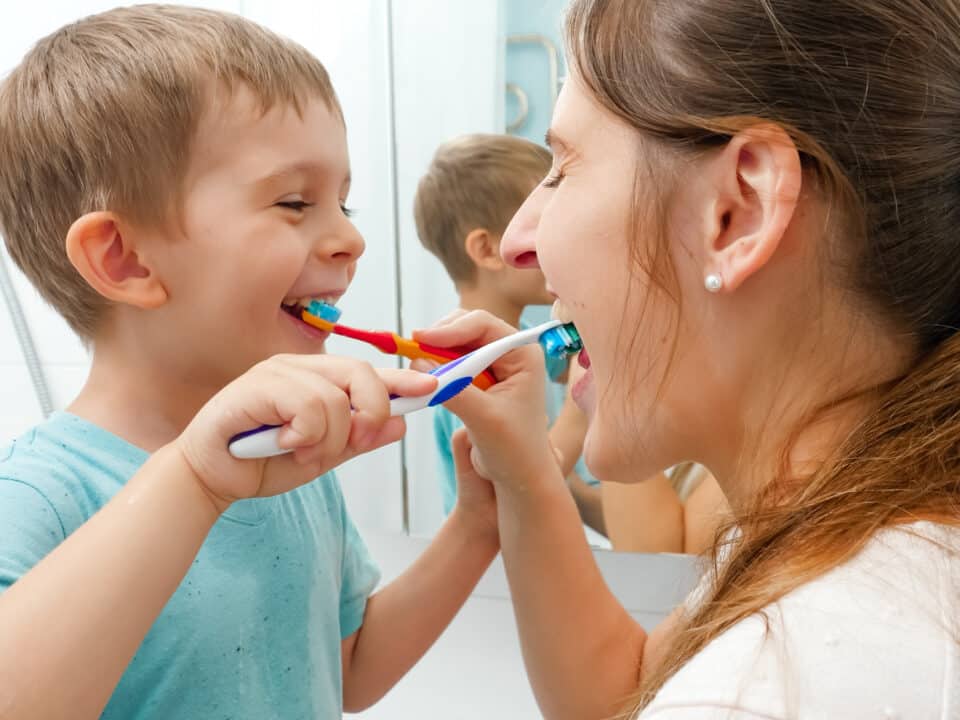
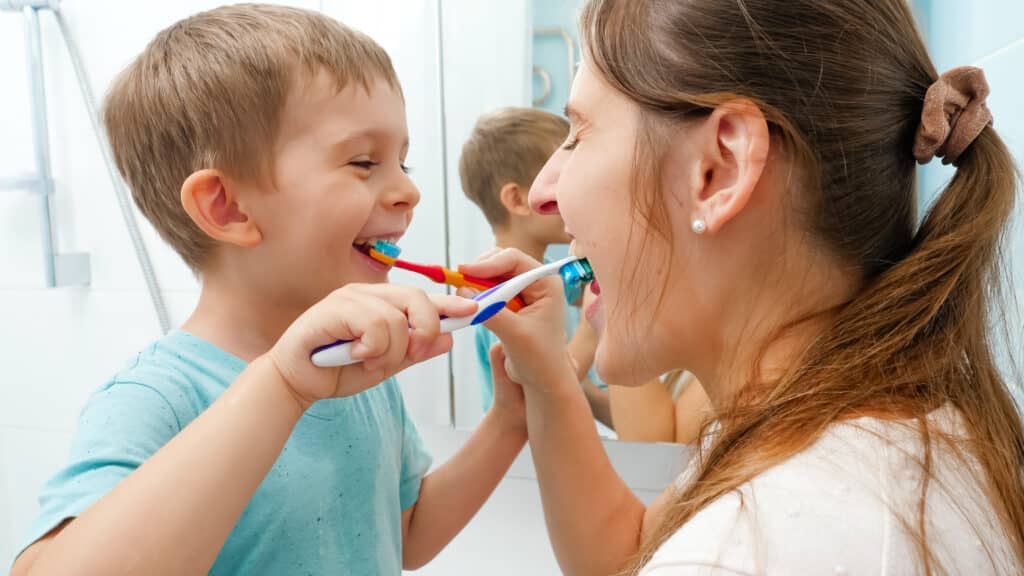
- Brushing: Help your child brush their teeth twice a day with fluoride toothpaste, and ensure they’re brushing properly by teaching them to brush all surfaces of each tooth.
- Flossing: Once your child has two teeth that touch, introduce flossing to prevent plaque buildup between their teeth.
- Regular Check-Ups: Ensure your child visits the dentist every six months for regular check-ups and cleanings. These visits are essential for detecting any issues early and teaching your child the importance of oral hygiene.
- Healthy Diet: A diet rich in fruits, vegetables, and whole grains, along with limited sugary snacks, can promote strong, healthy teeth.
- Mouthguards for Sports: If your child participates in sports, a custom mouthguard can protect their teeth from injury.
8. When Should You Worry? Signs of Dental Issues
It’s also important to know when something might not be right. While some variation in dental development is normal, keep an eye out for these potential concerns:
- Delayed teething or failure to lose baby teeth on time.
- Pain, swelling, or infection in the gums.
- Difficulty with chewing or biting.
- Teeth that are crooked, misaligned, or overcrowded.
If you notice any of these issues, contact Li’l Sunshine Smiles Dentistry for an evaluation.
Wrapping Up Your Child’s Dental Growth Journey in 2025
Dental development is a continuous process, and each stage is vital to your child’s overall health and well-being. By staying informed about what to expect and ensuring your child receives the proper care, you’re setting them up for a lifetime of healthy, confident smiles.
At Li’l Sunshine Smiles Dentistry, we’re committed to supporting you and your child through every step of their dental journey. If you have any questions or are ready to schedule a dental check-up for your little one, don’t hesitate to reach out today!