
When and How to Begin Using Toothpaste in Your Child’s Dental Routine

A Kid-Friendly Guide to Understanding Cavities
August 4, 2023
Tackling the Top Children’s Dental Issues
August 17, 2023
When it comes to keeping your baby’s teeth healthy, incorporating the right toothpaste into their dental routine is essential. To ensure your little one is brushing safely and effectively, understanding when and how to begin using toothpaste is pivotal for their future oral health. In this blog post, we’ll explore the ideal age to start using toothpaste, the types of toothpastes available for babies and toddlers, as well as the importance of fluoridated products in your child’s dental hygiene.
What Does Toothpaste Do?
Before delving into when and how to begin using toothpaste, it’s important to understand what toothpaste does for your baby’s teeth. Toothpaste helps clean plaque and bacteria from developing on your child’s teeth by forming a protective layer that prevents cavities and gum disease. Additionally, it can help promote good brushing habits in young children. Brushing with toothpaste, especially one that has fluoride, helps to:
- Remove plaque
- Resist decay
- Help strengthen the enamel that has been attacked by acids
- Clean and polish teeth
- Remove teeth stains
- Freshen breath
When is the Right Time to Start Using Toothpaste?
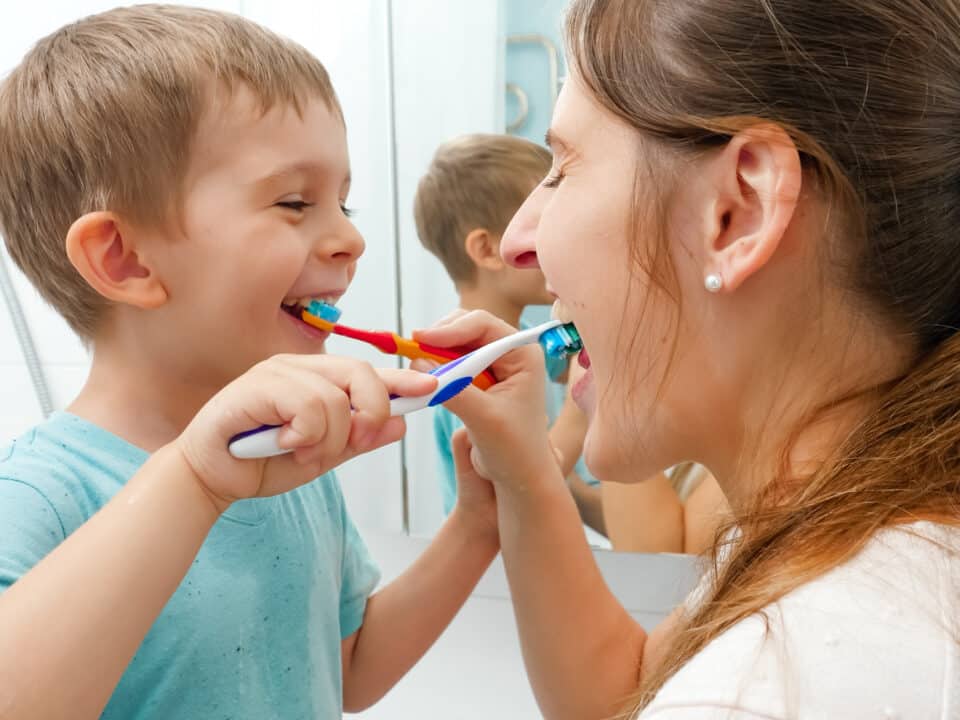
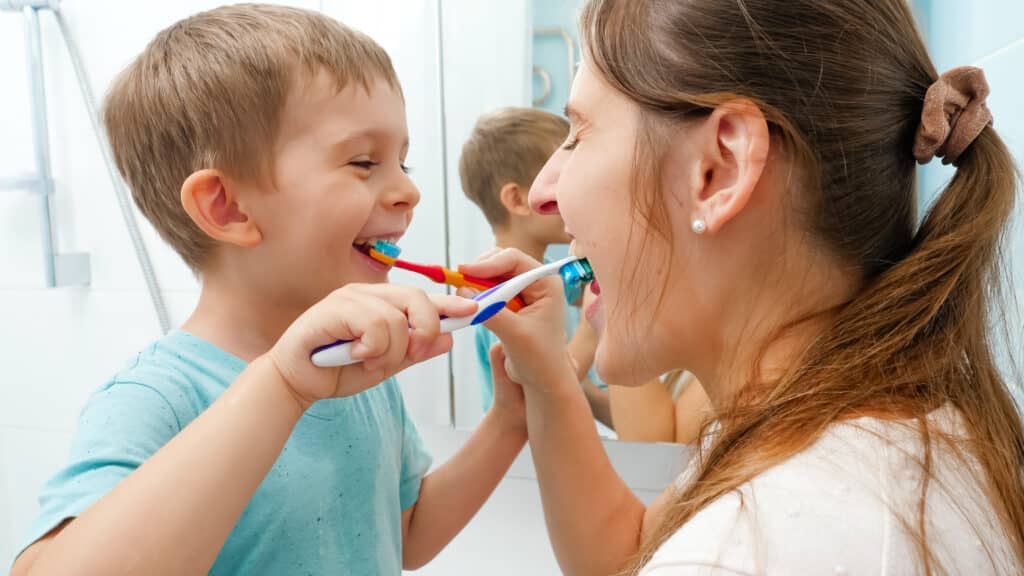
The sooner the better! The American Academy of Pediatric Dentistry recommends, starting at birth, to clean your child’s gums with a soft infant toothbrush or cloth and water. Parents should use a tiny smear of fluoride toothpaste to brush baby teeth twice daily as soon as they erupt and a soft, age-appropriate sized toothbrush. Once children are 3 to 6 years old, then the amount should be increased to a pea-size dollop and perform or assist your child’s toothbrushing. Remember that young children do not have the ability to brush their teeth effectively. Children should spit out and not swallow excess toothpaste after brushing.
Types of Toothpaste for Babies and Toddlers
Not all toothpastes are equal, and not every type is suitable or safe for young children. When selecting a toothpaste for your little one, look for products that say “safe if swallowed,” as babies may still put their toothbrush in their mouth even when they’re beyond the age of teething. Additionally, look for toothpaste that is either alcohol- or flavoring-free.
The Benefits of Fluoridated Toothpastes
Fluoride plays an essential role in your baby’s dental hygiene routine as it helps protect against cavities and tooth decay. The American Academy of Pediatric Dentistry advises children between the ages of 6 months and 16 years to have some form of fluoride every day.
Your child’s main source of fluoride may be from drinking water. It may have healthy levels of fluoride that your child needs. If your child’s main source of tap water is not fluoridated, your child’s healthcare provider or dentist may prescribe fluoride supplements. These come either as drops or tablets. The amount of fluoride that is prescribed is based on the child’s age and amount of fluoride in the drinking water. Your child’s dentist may also advise and apply fluoride gel, varnish, or foam if your child is at risk for tooth decay.
If your child mainly drinks bottled water, talk with your child’s healthcare provider or dentist about using a product that contains fluoride. Most children still get enough fluoride from brushing and eating food prepared with tap water.
Your Child’s First Trip to the Dentist
It’s important for parents to make sure their child has a dental home and visits the dentist regularly. The American Academy of Pediatric Dentistry recommends that children visit the dentist within 6 months after getting their first tooth, or no later than age 1 year. Regularly scheduled check-ups help ensure early detection and treatment of any oral health problems. Your child’s dentist will also be able to teach you and your child the proper brushing techniques for healthy teeth and gums. Be sure to ask questions about your child’s oral health, as well as any concerns you may have. By following these tips and incorporating toothpaste into your baby’s dental routine, you can help ensure that their teeth stay healthy until they reach adulthood.
Start Healthy Habits with Li’l Sunshine Smiles
At Li’l Sunshine Smiles, we provide children with quality dental care and preventive services, so they can grow up healthy and strong. Our goal is to make our little patients feel comfortable during their visits and help establish a lifetime of good oral health habits. Contact us today for more information or to set up an appointment!