
Why Kids Need Dental X-Rays

How to Help Your Baby Through the Teething Process
February 22, 2024
Understanding Pulpotomy: The Baby Root Canal
March 8, 2024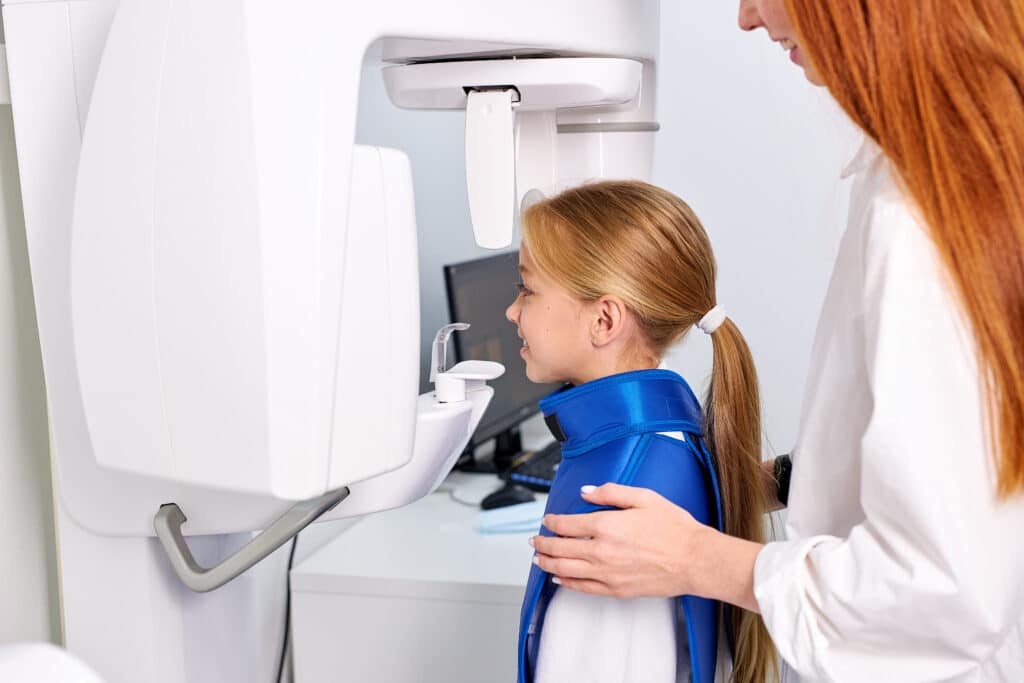
When it comes to your kid’s dental health, X-rays might be the last thing on your mind. You’re focused on keeping those pearly whites clean and cavity-free. However, X-rays play a critical role in the overall oral health management of kids. But are they really necessary? In this comprehensive guide for parents, we’ll explore the world of pediatric dental radiology. We’ll break down what you need to know about the value, the safety, and the importance of these often misunderstood tools.
Understanding the Purpose of Dental X-Rays for Kids
First things first — why do dentists recommend X-rays for young patients? Dental X-rays provide vital information that can’t be obtained through a visual exam alone. They allow dentists to:
- Detect cavities: X-rays can reveal cavities in between teeth or underneath the gum line, areas not visible to the naked eye.
- Monitor jaw and tooth development: For a developing child, X-rays can show the progress of adult teeth as they grow in the jaw.
- Look for signs of decay, disease, or infection: X-rays can identify issues such as tumors and cysts, or help the dentist assess the impact of thumb-sucking or other developmental habits.
- Plan for orthodontic treatment: X-rays help orthodontists evaluate the alignment and spacing of teeth, informing treatment plans tailored to your child’s specific needs.
Debunking the Safety Myths
Safety concerns are often one of the leading reasons parents hesitate about getting X-rays for their children. However, with advances in technology, the risks of pediatric dental X-rays are extremely low. Modern equipment and techniques keep radiation exposure to a minimum, well within the safety guidelines set by the American Dental Association and the U.S. Food and Drug Administration.
Breaking Down the X-Ray Types
There are several types of X-rays commonly used in pediatric dentistry:
- Bitewing: Used to detect cavities and monitor the progress of developing teeth.
- Periapical: Provides a detailed view of an entire tooth, from the crown to the root. It’s used to diagnose infections or bone loss impacting the tooth.
- Panoramic: Captures a wide view of the jaws, teeth, sinuses, and other structures. It’s useful for planning orthodontic treatment, evaluating wisdom teeth, and diagnosing conditions that require a broad view of the mouth.
Each type is designed to focus on different aspects of dental health and has a specific purpose, depending on the child’s needs.
Just the Facts on Radiation
The amount of radiation in a dental X-ray is very small, especially when compared with other medical imaging procedures. To put it in perspective, the radiation exposure from a set of bitewing X-rays (the most common type for kids) is roughly equal to the natural radiation you receive from the environment in just one day. Dental professionals take multiple precautions to ensure minimal exposure, including the use of lead aprons and shields.
When Are X-Rays Necessary and When Can They Be Avoided?
While the standard is usually one to two sets of dental X-rays per year for most children, there are specific situations that call for more frequent imaging, such as a high risk of cavities or the need for orthodontic assessment. On the other hand, some scenarios may warrant postponing X-rays, such as a current or very recent previous tooth eruption, which can affect the X-ray’s accuracy.
Benefits Outweighing the Risks
Despite the minimal risk, the benefits of dental X-rays for diagnosing and addressing dental issues far outweigh the potential for harm. Early detection through routine X-rays can help prevent more serious problems in the future, thus reducing the need for more invasive and intensive treatments.
Preparing Your Child for Their X-Ray Experience
A trip to the dentist, especially when X-rays are involved, can be a source of anxiety for many children. Parents can play a crucial role in preparing their child for a positive X-ray experience:
- Communication is key: Explain to your child why the dentist needs to take X-rays and what to expect during the procedure.
- Play dentist: A little role-play at home with a flashlight or camera can demystify the process and help ease fears.
- Choose the right time: Opt for an appointment when your child is calm and not too tired or hungry.
- Comfort items: Bring along a favorite toy or blanket for added comfort.
Debating the Age-Old Question: How Young is Too Young for Dental X-Rays?
Pediatric dentists follow specific guidelines regarding the age at which X-rays are appropriate for children. In some cases, X-rays may be necessary for infants and toddlers if there’s a suspicion of disease or developmental issues. Conversely, for very young children with nearly no teeth, there may be little to no need for X-rays. Discussions with your child’s dentist about the timing of X-rays should be a part of your regular check-up routines.
The Teeth Tell the Tale at Li’l Sunshine Smiles
In the end, the teeth tell the tale, and X-rays are the detective tool of the dental world. With proper understanding and communication, parents can confidently make decisions about their child’s dental care that support long-term oral health. Remember, the goal isn’t just to treat what’s already there. It’s to catch potential issues early and give those tiny teeth the best start possible. Make an appointment at Li’l Sunshine Smiles to see how we can help keep your child’s smile bright and healthy!